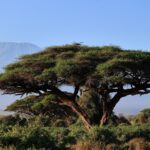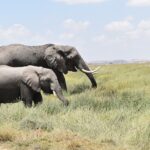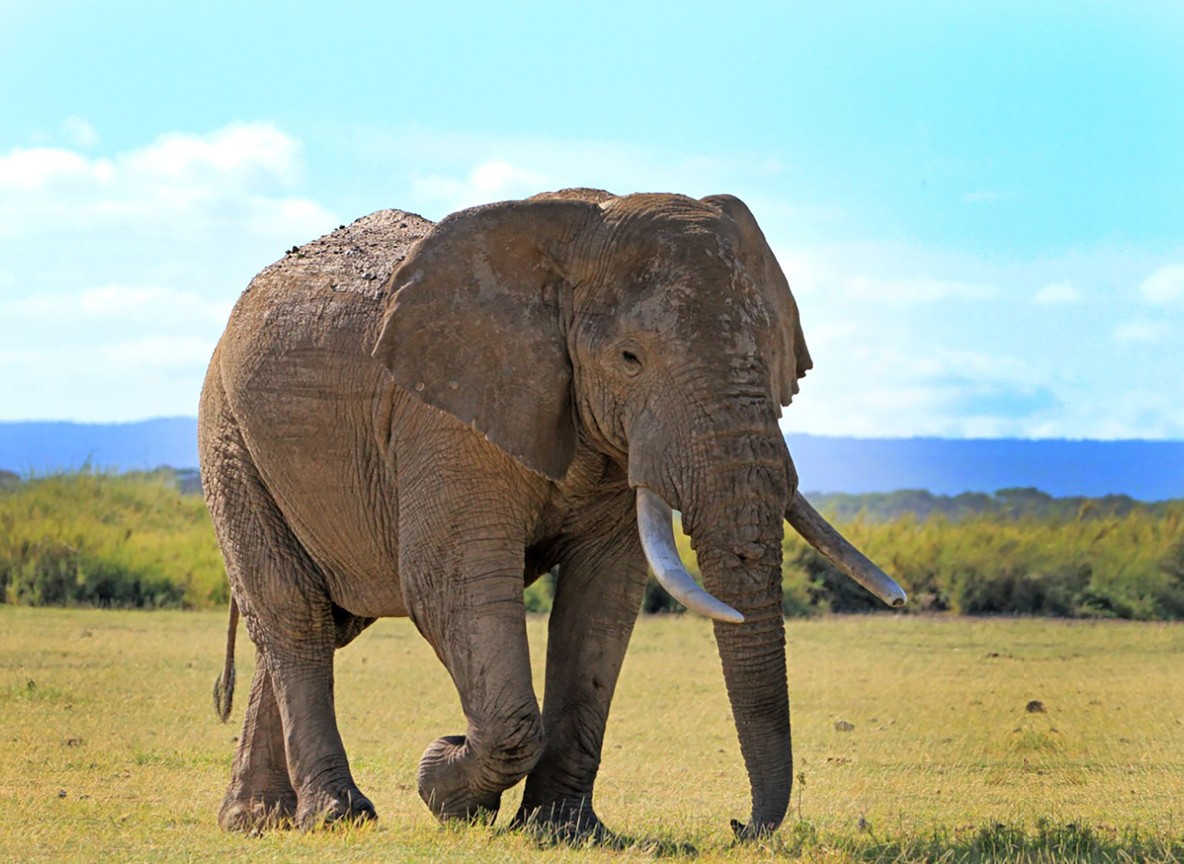
November marks the arrival of the short rains in the Amboseli ecosystem, and that seasonal shift produces a version of the park that is noticeably different from the dry months that precede it. The plains green up again. The skies become more dramatic and changeable. The mountain, so reliable in October, retreats behind cloud more often. And the wildlife, while still present and accessible, spreads across a wider area than it does when the landscape is dry and animals concentrate around scarce water.
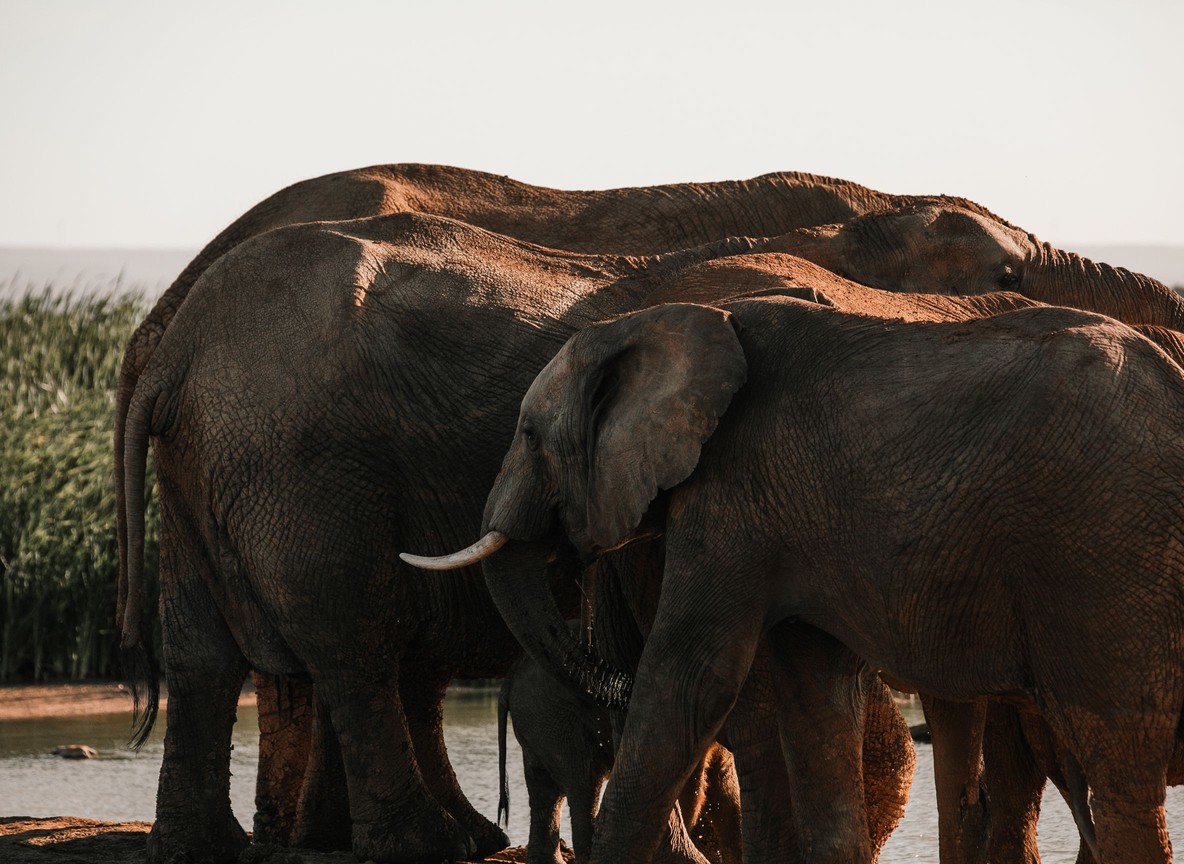
This is not a month to dismiss, but it is a month that requires honest framing. Visitors who arrive in November with July-level expectations around clear skies, open visibility, and consistent Kilimanjaro views will find the experience frustrating. Visitors who arrive understanding what November actually delivers, and who find value in that different character, often come away genuinely satisfied. The month is not weaker than peak dry season in every respect. It is simply different, and some of those differences work strongly in its favour.
What November Conditions Feel Like
The transition from October to November is one of the more perceptible seasonal shifts in Amboseli. October still operates with the logic of the dry season: clear mornings, reliable visibility, consistent mountain views at dawn. November pulls in the opposite direction, toward the short-rains pattern that typically runs through to December.
In practice, this means more cloud, particularly in the afternoons and evenings. Morning skies can still be surprisingly clear at the start of the month, and the first week or two of November often hold onto some October character before the rains properly establish themselves. By mid-November, the short-rains pattern is usually fully in place, and the day-to-day variability becomes a defining feature of the experience.
Temperatures in November are warm but comfortable. Humidity increases compared to the dry season, but it does not reach the heavy, saturated quality of the long-rains months. Rain episodes tend to be shorter and more intense than the long rains, arriving in bursts rather than sustained periods. This means a November day can include a drenching afternoon downpour followed by a fresh, clear evening, which creates a particular kind of atmospheric richness that dry-season months simply cannot offer.
Wildlife in November
The fundamental wildlife story in Amboseli does not change in November. Elephants are the anchor, and the permanent swamp system that supports them operates year-round. Elephant families continue to use the Enkongo Narok and Ol Tukai swamp areas as their anchor points, and game drives around these zones in November can still produce extended, close-range elephant sightings.
What changes is the efficiency of the viewing experience. In the dry season, animals concentrate around predictable water sources, which makes finding and staying with key species a relatively straightforward exercise. In November, with water more widely distributed across the ecosystem, animals spread out. The concentration effect disappears. This does not mean wildlife is absent; it means locating specific animals requires more driving, more patience, and guides who know the landscape well enough to read November’s patterns specifically.
The broader mammal community is active and healthy in November. The rains support vegetation growth that benefits grazers, and species like wildebeest, zebra, and various antelope can be seen in good numbers across the plains. The park has a well-fed, biologically dynamic quality in November that is missing from the harsher end of the dry season.
Birding is genuinely one of November’s best arguments for a visit. The short rains activate the wetland system in ways that the dry season cannot. Waterbird concentrations around the swamps peak, and the variety of species accessible in a single morning drive can be remarkable. Migratory species moving through the region during this period add further variety. For visitors with serious birding interest, November is worth considering as a primary choice rather than a seasonal fallback.
Kilimanjaro in November
This is the main thing to calibrate expectations around. November is the weakest period for Kilimanjaro views in the second half of the year, and anyone who visited in August or September should expect a different experience in November. The summit spends more time covered in cloud than exposed, and the clean dawn views that the dry season delivers so reliably become occasional gifts rather than reliable certainties.
Dawn remains the best window. On some November mornings, particularly early in the month, overnight cooling suppresses cloud enough to expose the summit for the first hour or two after sunrise. These moments can be genuinely stunning, with the rains having cleaned the air and the green landscape below providing a dramatically different foreground than the dust of August. When it works, a November Kilimanjaro dawn has a specific quality that peak dry-season months do not replicate.
The planning approach in November is to drive for the mountain every morning anyway, treat any clear view as a meaningful bonus, and structure the rest of the safari around wildlife and wetland activity. That approach produces a rewarding experience. Building the trip entirely around guaranteed mountain photography will set you up for frustration.
Road Conditions and Practical Travel in November
The short rains make some tracks inside the park softer, and game-drive routing in November often requires more flexibility than in the dry season. Guides who know Amboseli well tend to adjust their routes based on conditions rather than following fixed circuits, which means working with an experienced local team matters more in November than in months when the park behaves predictably.
The overland route from Nairobi via Namanga is generally manageable in November, since the short rains are less sustained than the long rains of April and May. Brief heavy episodes can make specific stretches temporarily difficult, but sustained multi-day road closures are less common in November than in the more intense rainy periods.
Charter flights to Amboseli airstrip are particularly worth considering for November visitors with limited time, since they eliminate any road uncertainty and allow the full stay to be focused on the park rather than on travel logistics. For a two or three night visit, the time saved on a flight versus a road transfer is especially valuable.
How to Use November Well
The visitors who get the most from November in Amboseli are those who play to the month’s strengths rather than trying to force a dry-season experience from a green-season month.
Focus your mornings on the mountain first, the swamp margins second, and the open plains third. The dawn window before the cloud builds is when November often looks its most compelling. Keep the late morning flexible for wetland activity and birding. Use the early afternoon for rest. Run afternoon drives in the last two hours of light when the atmosphere shifts and the post-rain quality can produce photographs that look like nothing from any other month.
In terms of duration, three nights are more valuable in November than in the dry season precisely because variability means you need more chances at the conditions working in your favour. Two nights is the bare minimum. Three nights gives you enough attempts at clear mornings and productive drives to absorb a day that underperforms without losing the whole visit.
November packing is specific: a light waterproof jacket, quick-drying clothing, a warm layer for cool early starts, and waterproof protection for camera equipment. The combination of warmth and occasional heavy rain means the standard dry-season packing list needs some adjustment.
Who November Suits
The strongest candidates for a November Amboseli trip are visitors with specific interests in birding, green-season atmosphere, or the quiet, lower-pressure experience that the short-rains months provide. Repeat safari visitors who want to see Amboseli in a different mood will find November genuinely distinctive. Value-focused travellers will find rates noticeably below peak, which makes November one of the more cost-efficient months for experienced safari visitors who know what they are getting.
November is a weaker match for first-time visitors whose primary motivation is the classic elephant-and-mountain postcard, for anyone whose entire trip depends on consistent Kilimanjaro views, or for travellers who find weather variability stressful rather than interesting.
Pros and Cons at a Glance
| Factor | Notes |
|---|---|
| Elephant viewing | Reliable; herds spread more widely than in dry season |
| Kilimanjaro visibility | Lower; possible at dawn but not consistently |
| Landscape | Green, fresh, and atmospheric |
| Birding | Excellent; one of the strongest months for wetland variety |
| Weather stability | Variable; some rainy days expected |
| Visitor numbers | Low; uncrowded park |
| Pricing | Below peak; good relative value |
| First-time suitability | Moderate; expectation-setting essential |
Where to Go Next
November in Amboseli can be usefully combined with destinations that are also in a green-season phase and offer complementary experiences. Tsavo East in November holds its large elephant population and open landscapes in conditions similar to Amboseli. Nairobi National Park is a practical addition for visitors with limited days, offering wildlife viewing in the shadow of the city without long travel.
For broader Amboseli seasonal context across all twelve months, guides at touringinsights.com cover the full calendar with the specific trade-offs that November-adjacent timing decisions involve.
For current on-the-ground intelligence, including actual road and camp status for November travel dates, trunktrailssafaris.com can provide field-level information that seasonal averages cannot.
Prefer a different route, budget, or travel style? This plan can be adapted to fit.
Customise Your Trip